
Essential Nutrients for Clear Vision
Discover how the right nutrients support your eye health and visual clarity. Learn about vitamins, minerals, and compounds that have been shown to maintain and enhance your vision naturally.
The information on this site is for educational purposes only and does not constitute medical advice. Always consult a qualified healthcare professional before making health decisions.
Vision-Supporting Nutrients
Lutein & Zeaxanthin
Powerful antioxidants found in leafy greens that accumulate in the macula of your eye. These compounds filter harmful blue light and protect against oxidative stress, helping maintain visual sharpness and reducing the impact of age-related changes in vision.
Vitamin A & Beta-Carotene
Essential for the production of rhodopsin, the pigment that allows your eyes to adapt to low light. Beta-carotene, a precursor to vitamin A, supports retinal function and helps maintain the health of all eye tissues. Orange and yellow vegetables are rich sources.
Anthocyanins
Water-soluble pigments found in berries and dark fruits that provide strong antioxidant protection. These compounds support healthy blood circulation to the eyes and may help reduce fatigue from extended screen time or visual strain.
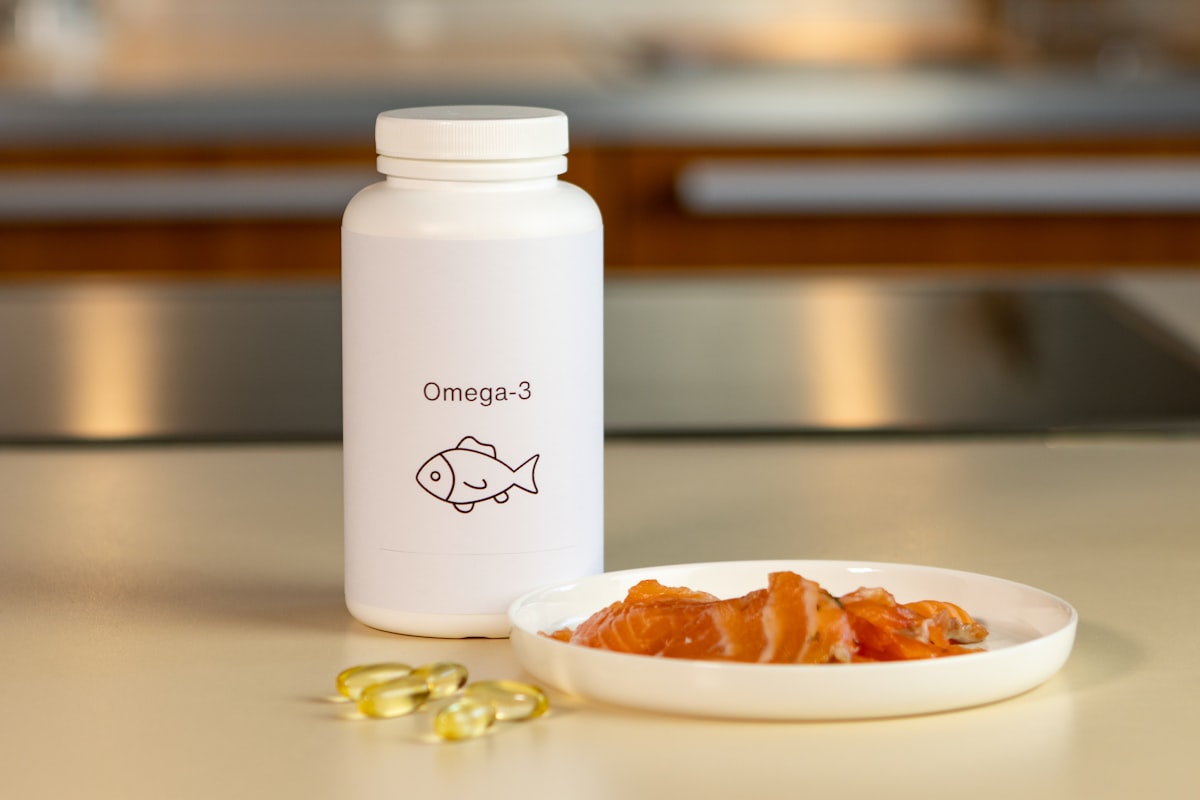
Omega-3 Fatty Acids
Critical structural components of the retina that support healthy cell membranes and reduce inflammation. Fish, flaxseed, and chia seeds are excellent sources that help maintain optimal eye moisture and visual function.
Zinc & Copper
Trace minerals essential for the function of enzymes that protect eye tissues. Zinc helps transport vitamin A to the retina, while copper supports the formation of collagen and elastin that maintain eye structure integrity.
Vitamin C & E
Powerful antioxidants that work together to neutralize free radicals and protect eye tissues from oxidative damage. These vitamins support collagen synthesis, maintain lens transparency, and help preserve long-term visual health.
Why Nutrition Matters for Your Eyes
Evidence-Based Eye Care
- Cellular Protection: Nutrients provide antioxidant defense against free radical damage that accumulates over time in eye tissues.
- Visual Function: Specific compounds like lutein directly support the macula's ability to perceive fine detail and color.
- Long-Term Health: A nutrient-rich diet supports the eye structures that maintain clarity and function throughout your life.
- Holistic Wellness: The same nutrients that support eyes also benefit overall cardiovascular and brain health.

What Our Readers Say
"
The information about lutein and zeaxanthin completely changed how I approach my diet. I started adding more spinach and kale to my meals, and after a few months, I noticed that screen fatigue became much less of an issue. This content is thoroughly researched and created to be helpful.
Sarah Mendoza
Jakarta, Indonesia
"
Finally, someone explains vision health without overselling supplements. The focus on whole foods and natural sources made me realize I don't need to buy expensive pills—I just needed to eat better. The nutrient breakdown section is particularly valuable for understanding which foods do what.
Budi Hermawan
Surabaya, Indonesia
"
As someone who spends hours at a computer, I appreciated the evidence-based approach to eye nutrition. The article about omega-3s and inflammation gave me actionable steps. I've been following the recommendations for three months and feel more confident about my long-term vision health.
Dewi Kusuma
Bandung, Indonesia
Nutrient Sources & Recommendations
Build a Vision-Supporting Plate
Dark Leafy Greens
Spinach, kale, and collard greens are among the most concentrated sources of lutein and zeaxanthin. Aim to include a serving daily for optimal accumulation in your macula.
Orange & Yellow Foods
Carrots, sweet potatoes, papaya, and mangoes provide beta-carotene and other carotenoids that support retinal health and light adaptation.
Berries & Dark Fruits
Blueberries, blackberries, and dark grapes deliver anthocyanins that provide antioxidant protection and support healthy circulation to eye tissues.
Fish & Omega-3 Sources
Salmon, mackerel, and sardines provide EPA and DHA, essential for retinal structure. Walnuts and flaxseed offer plant-based alternatives.
Nuts & Seeds
Almonds, sunflower seeds, and hazelnuts supply vitamin E and zinc, which work together to protect eye tissues from oxidative stress.
Common Questions About Vision & Nutrition
How long does it take to notice changes from nutrition?
Most research suggests that consistent dietary changes take several weeks to months to accumulate in eye tissues. Lutein and zeaxanthin, for instance, gradually build up in the macula over time. Some people report reduced eye strain within a few weeks, while structural changes develop over months of consistent nutrition.
Can supplements replace whole foods?
Whole foods provide a complex matrix of nutrients, fiber, and bioactive compounds that supplements cannot fully replicate. While targeted supplementation may be helpful in specific cases, research emphasizes the superiority of nutrient-dense whole foods. Consult with a healthcare provider about your individual needs.
Are there nutrients that work better together?
Yes, several nutrient combinations have synergistic effects. Vitamin C and E work together as antioxidants, lutein absorption is enhanced by dietary fat, and zinc helps transport vitamin A to the retina. This is why a balanced, varied diet is more effective than isolated nutrients.
Is nutrition helpful for all types of vision concerns?
Nutrition plays a foundational role in eye tissue health and function, but vision concerns vary widely. Some benefit directly from specific nutrients, while others may require different approaches. This educational content provides general information—individual situations differ significantly.
Which nutrients are most critical for eye health?
Lutein, zeaxanthin, vitamin A, omega-3 fatty acids, and antioxidants like vitamins C and E are among the most researched and significant for eye tissue support. However, eye health depends on dozens of nutrients working together, which is why diversity in your diet matters.
What about nutrition for screen-intensive work?
Adequate antioxidants, omega-3s, and vitamins support eye moisture and reduce inflammation. Some evidence suggests anthocyanins and lutein may help with screen-related strain. Regular breaks, proper lighting, and consistent hydration complement nutritional support for those with screen-intensive work.
Stay Informed About Eye Nutrition
Subscribe to our editorial updates and receive the latest research-based insights about nutrients and vision health delivered to your inbox.
We respect your privacy. Unsubscribe at any time.
Explore Our Complete Vision Nutrition Guide
Dive deeper into the science of eye nutrition with detailed articles, nutrient profiles, and evidence-based recommendations.