
Essential Nutrients for Clear Vision
Explore comprehensive information about the key nutrients that support optimal eye health and visual clarity. From antioxidants to minerals, discover what science reveals about nourishing your eyes.
The information on this site is for educational purposes only and does not constitute medical advice. Always consult a qualified healthcare professional before making health decisions.
Browse by Category
Comprehensive Nutrient Guide
Detailed information about each nutrient's role in supporting visual function, where to find it in food sources, and what research indicates about maintaining healthy vision.
Lutein
A powerful carotenoid that accumulates in the macula, the central part of the retina responsible for sharp vision. Lutein acts as a natural filter, protecting against blue light and oxidative stress.
- Found in leafy greens and kale
- Supports macular health
- Antioxidant protection
Zeaxanthin
Works alongside lutein as a complementary carotenoid in the retina. Zeaxanthin is particularly important for filtering harmful light wavelengths and maintaining visual acuity across the lifespan.
- Concentrated in the fovea
- Enhances contrast sensitivity
- Blue light protection
Anthocyanins
Flavonoid compounds found in dark berries and purple vegetables. These potent antioxidants help reduce eye strain and support microcirculation, promoting nutrient delivery to ocular tissues.
- Found in blueberries and blackberries
- Reduces visual fatigue
- Supports blood flow to eyes
Vitamin C
A crucial water-soluble antioxidant concentrated in eye tissues. Vitamin C protects against free radical damage and supports collagen synthesis in the cornea, maintaining structural integrity and clarity.
- High in citrus and peppers
- Protects lens from damage
- Supports corneal health
Zinc
An essential mineral that plays a vital role in nutrient absorption and enzyme function in the eye. Zinc deficiency is associated with impaired night vision and reduced visual adaptation.
- Present in oysters and seeds
- Supports retinal function
- Aids nutrient transport
Vitamin E
A fat-soluble antioxidant that protects cell membranes in the eye from oxidative damage. Vitamin E works synergistically with other antioxidants to maintain visual function and tissue health.
- Found in nuts and vegetable oils
- Protects cell membranes
- Antioxidant synergy
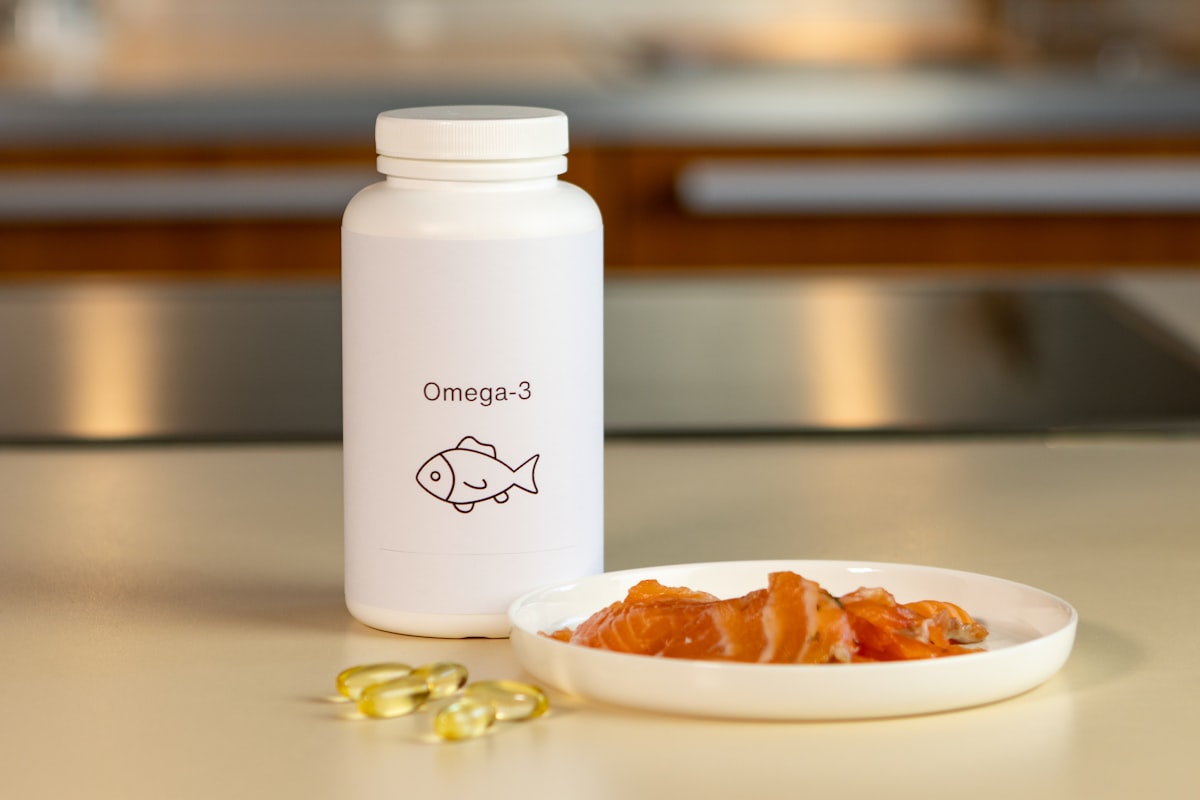
Omega-3 Fatty Acids
Essential polyunsaturated fats that form a critical component of retinal cell membranes. Omega-3s support neural function in the eye and promote healthy tear production for comfortable vision.
- Rich in fatty fish and flaxseed
- Supports retinal structure
- Enhances tear film quality
Alpha-Lipoic Acid
A potent antioxidant that crosses the blood-retinal barrier, providing direct protection to ocular tissues. Alpha-lipoic acid regenerates other antioxidants and supports metabolic function in eye cells.
- Found in spinach and broccoli
- Crosses blood-retinal barrier
- Regenerates other antioxidants
Understanding Vision Nutrition
The eyes are complex organs with extraordinarily high metabolic demands. Supporting clear vision requires a diverse array of nutrients working together to protect sensitive tissues, maintain structural integrity, and optimize neural function.
Research consistently demonstrates that individuals with adequate intake of specific nutrients maintain sharper visual acuity and experience better eye comfort throughout their daily activities.
Antioxidant Protection
Nutrients protect against free radical damage from light exposure and environmental stress
Structural Support
Minerals and vitamins maintain the integrity of corneal, lens, and retinal tissues
Neural Function
Essential compounds support the transmission of visual signals to the brain

How Nutrients Support Vision
A comprehensive look at the mechanisms through which key nutrients maintain and support healthy visual function
Retinal Health
The retina contains the highest concentration of nutrients in the body. Lutein, zeaxanthin, and zinc accumulate specifically in the macula, the area responsible for detailed, central vision. These nutrients filter damaging light wavelengths and protect photoreceptor cells from oxidative stress.
Visual Clarity
Vitamin C and E work synergistically to maintain lens transparency and corneal health. The lens requires constant nutrition to remain clear and flexible. Antioxidants prevent protein cross-linking and clouding that can affect visual quality.
Long-term Protection
Consistent nutrient intake supports sustained eye health across the lifespan. Omega-3 fatty acids maintain retinal cell membranes and neural function. Alpha-lipoic acid and anthocyanins provide complementary antioxidant support.
Natural Food Sources
Discover where to find these essential nutrients in whole foods and learn about optimal dietary patterns for eye health
Leafy Green Vegetables
Kale, spinach, and collard greens are among the richest sources of lutein and zeaxanthin. These nutrients are fat-soluble, so consuming them with healthy fats enhances absorption.
Colorful Berries
Blueberries, blackberries, and dark purple grapes are rich in anthocyanins. These compounds support vascular health and reduce eye strain from extended near vision activities.
Fatty Fish
Salmon, sardines, and mackerel provide omega-3 fatty acids essential for retinal function. These healthy fats support neural communication and tear film quality.
Nuts and Seeds
Almonds, walnuts, and pumpkin seeds contain both zinc and vitamin E. These nutrient-dense foods support multiple aspects of visual function.
Citrus Fruits
Oranges, lemons, and grapefruit provide vitamin C. Combining these with other nutrient-rich foods creates a synergistic effect for optimal eye support.
Research and Evidence
Explore what scientific studies reveal about nutrient effectiveness and the importance of consistent dietary support for vision health
Lutein and Zeaxanthin Studies
Multiple observational studies demonstrate that individuals with higher dietary intake of lutein and zeaxanthin maintain sharper vision and experience fewer age-related visual changes. The concentration of these carotenoids in the macula directly correlates with visual performance.
Longitudinal research indicates that maintaining adequate levels throughout life supports sustained visual clarity and reduces the rate of age-related visual decline.
Antioxidant Synergy
Research shows that combinations of antioxidants work more effectively than individual nutrients alone. Vitamin C regenerates vitamin E, while alpha-lipoic acid regenerates both, creating a comprehensive protective system.
Studies demonstrate that dietary patterns including multiple nutrient sources provide superior support for ocular tissues compared to single-nutrient approaches.
Omega-3 and Retinal Function
Biochemical research reveals that omega-3 fatty acids comprise approximately 30% of photoreceptor outer segments. Adequate dietary intake supports optimal neural transmission and retinal membrane fluidity.
Studies of populations with high omega-3 consumption demonstrate maintained visual acuity and comfort with extended screen exposure.
Zinc and Visual Adaptation
Zinc is essential for retinol metabolism and the synthesis of rhodopsin, the visual pigment required for low-light vision. Research consistently demonstrates that zinc deficiency impairs night vision and visual adaptation speed.
Adequate zinc intake supports optimal enzyme function throughout the visual system and facilitates nutrient transport to sensitive ocular tissues.
Frequently Asked Questions
Learn more about vision nutrients, food sources, and supporting eye health through informed dietary choices
How much lutein and zeaxanthin do I need daily?
Research suggests that intake of 6-10 mg of lutein and 2-3 mg of zeaxanthin daily supports optimal macular accumulation. A serving of leafy greens typically provides this amount. Consistency matters more than occasional high intake.
Can cooking affect nutrient content?
Cooking vegetables actually increases the bioavailability of lutein and zeaxanthin by breaking down cell walls. These carotenoids are fat-soluble, so consuming them with oil enhances absorption. Both raw and cooked sources are valuable.
What is the role of antioxidants in vision?
Antioxidants protect eye tissues from free radical damage caused by light exposure, oxidative metabolism, and environmental damage. Lutein, zeaxanthin, and vitamin C neutralize these free radicals, reducing inflammation and slowing age-related macular degeneration. Regular antioxidant intake supports long-term vision health.
What Our Customers Say
"My vision improved noticeably after 3 months. I feel more energetic and my digestive health has never been better. Highly recommend Darmgesundheitprobioqa!"
- Sarah M., Munich
"I was skeptical at first, but the science behind this product convinced me. My eyes feel less strained after computer work, and my digestion is fantastic."
- Klaus T., Berlin
"Finally found a product that addresses both gut and eye health. The natural ingredients give me peace of mind, and results speak for themselves."
- Anna K., Hamburg
Transform Your Health Today
Join thousands of satisfied customers who have discovered the power of combining gut health and vision support. Start your journey to better health now.
100% Secure Checkout | 30-Day Money Back Guarantee
Additional Questions?
Is Darmgesundheitprobioqa suitable for vegetarians and vegans?
Yes! Our formula is 100% plant-based and free from animal products. We use natural probiotics derived from fermented plant sources.
How long until I see results?
Most customers notice improvements in digestion within 2-3 weeks. Vision and eye comfort benefits typically appear after 4-8 weeks of consistent use. Results vary individually.
Can I take this with other medications?
Our probiotics are generally safe with most medications. However, we recommend consulting your healthcare provider before starting any new supplement, especially if you're on prescription medications.
What is your return policy?
We offer a hassle-free 30-day money-back guarantee. If you're not completely satisfied, simply contact our customer service team for a full refund—no questions asked.