Essential Nutrients for Clear Vision
Discover the science-backed nutrients that support optimal eye health and visual clarity. Learn how targeted nutrition can contribute to maintaining sharp vision throughout your life.
How Nutrients Support Your Vision
Your eyes depend on specific nutrients to function optimally. The retina, cornea, and lens require targeted nutritional support to maintain clarity and protect against oxidative stress. Understanding which nutrients matter most empowers you to make informed dietary choices that support your visual wellness journey.
From antioxidants that shield delicate eye tissues to minerals that support structural integrity, each nutrient plays a distinct role. Comprehensive research into vision nutrition reveals that a strategic approach to dietary intake can meaningfully contribute to preserving vision quality over time.
- Antioxidant Protection: Shields eye tissues from environmental and metabolic stress
- Structural Support: Maintains the health of the retina and other eye components
- Light Processing: Supports the conversion of light into neural signals
- Circulation Boost: Enhances blood flow to nourish eye tissues

The information on this site is for educational purposes only and does not constitute medical advice. Always consult a qualified healthcare professional before making health decisions.
Five Essential Nutrients for Clear Vision
These key nutrients have been extensively researched for their role in supporting eye health and visual clarity.
Lutein & Zeaxanthin
These natural plant pigments accumulate in the macula, the central part of the retina responsible for detailed vision. They act as internal sunglasses, filtering harmful blue light and providing potent antioxidant protection. Found abundantly in leafy greens and cruciferous vegetables, these carotenoids are among the most researched nutrients for vision support.
Anthocyanins
Powerful flavonoid compounds found in dark berries, anthocyanins provide exceptional antioxidant support and help maintain microvascular circulation in the eye. These pigments strengthen blood vessel walls and reduce oxidative stress that can affect vision quality. Regular consumption has been associated with improved night vision and visual clarity in nutritional studies.
Omega-3 Fatty Acids
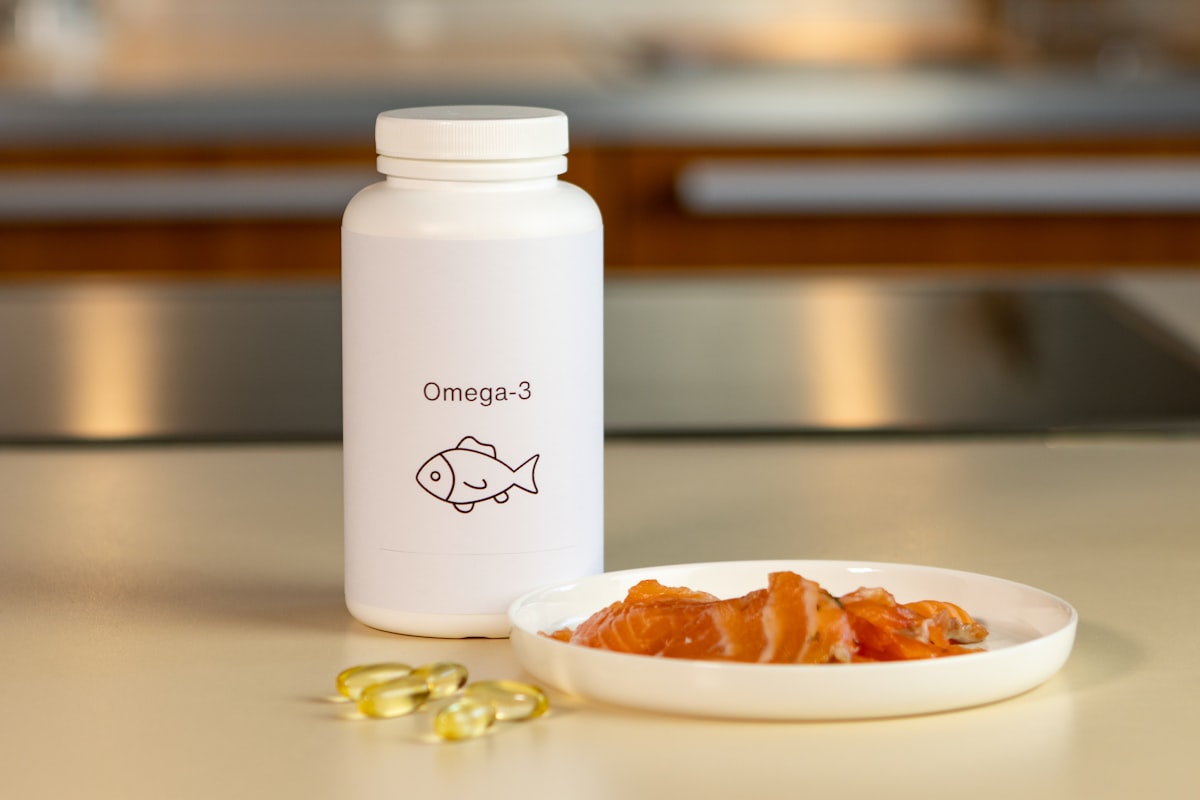
Essential polyunsaturated fats play a crucial role in retinal function and the structural integrity of eye cell membranes. These nutrients support healthy circulation and reduce inflammation in ocular tissues. Fish, flaxseed, and walnuts provide bioavailable sources that contribute to sustained visual clarity and comfort.
Vitamins C & E
These synergistic antioxidant vitamins work together to neutralize free radicals and protect lens and retinal proteins from oxidative damage. Vitamin C is concentrated in the cornea and aqueous humor, while vitamin E protects cell membranes. Together, they support long-term visual acuity and comfort, particularly under environmental stress.
Zinc & Copper
These essential minerals support retinal pigment epithelium function and facilitate vitamin A absorption, crucial for photoreceptor health. Zinc is highly concentrated in the eye and plays a key role in sustaining visual sensitivity and color perception. Balanced intake of these trace minerals is fundamental for optimal vision support.
Vitamin A & Carotenoids
Vitamin A is fundamental for producing rhodopsin, the pigment that enables vision in low light conditions. Carotenoids like beta-carotene serve as provitamin A precursors and independently support retinal structure. Orange, red, and dark leafy vegetables provide abundant sources that contribute to comprehensive visual wellness.
Building Your Personalized Vision Nutrition Strategy
A systematic approach to incorporating vision-supporting nutrients into your daily routine.
Assess Your Current Intake
Evaluate your typical daily diet to identify which vision-supporting nutrients you're already consuming. Keep a food journal for several days and note sources of antioxidants, minerals, and essential fats. This baseline understanding helps you recognize which categories need more attention.
Identify Nutritional Gaps
Determine which key nutrients are underrepresented in your current diet. If you rarely consume leafy greens, you're likely missing lutein. If fish isn't a regular part of your meals, omega-3 intake may be insufficient. Prioritize addressing the largest gaps first for maximum impact.
Create an Action Plan
Develop realistic, sustainable dietary modifications. Rather than overhauling your entire diet at once, add one nutrient-rich food or category each week. Plan specific meals incorporating lutein-rich vegetables, omega-3 sources, and antioxidant-rich berries into your weekly menu.
Monitor and Adjust
Maintain consistency with your new nutritional approach for at least 8-12 weeks before evaluating results. Track how you feel and any changes in visual comfort or clarity. Many people notice improvements in near vision, reduced eye strain, and enhanced color perception as they sustain nutrient-rich dietary patterns.
Key Features of Vision-Supporting Nutrition
What makes a truly effective approach to nutritional vision support.
Research-Backed Formula
Every nutrient recommended for vision support is grounded in peer-reviewed nutritional science. The combination of lutein, zeaxanthin, anthocyanins, and other compounds reflects decades of research into eye tissue health and visual clarity support.
Plant-Based Sources
Emphasizing whole food sources—leafy greens, colorful vegetables, berries, and plant oils—ensures you receive nutrients in their most bioavailable forms. These sources provide additional fiber, polyphenols, and cofactors that support overall wellness beyond just vision.
Comprehensive Coverage
Rather than focusing on a single nutrient, effective vision nutrition addresses multiple pathways: antioxidant protection, structural support, circulation enhancement, and light processing. This multifaceted approach aligns with how the eye actually functions.
Practical Implementation
Vision nutrition doesn't require exotic ingredients or complicated meal prep. The recommended nutrients are found in common, affordable foods available at any grocery store. Sustainable dietary changes are built on practicality and accessibility.
Long-Term Sustainability
This approach focuses on lasting dietary habits rather than temporary interventions. By building sustainable nutrition patterns, you create cumulative benefits that support vision clarity throughout your life, decade after decade.
Synergistic Benefits
Nutrients don't work in isolation. Vitamin C enhances absorption of other compounds, while zinc facilitates vitamin A metabolism. Understanding these interactions helps you select combinations that amplify overall vision support effectiveness.
Comparison: Common Vision Nutrients
Understanding which nutrients offer the most comprehensive support for different aspects of eye health.
| Nutrient | Primary Benefit | Common Sources | Effectiveness |
|---|---|---|---|
| Lutein & Zeaxanthin | Macula protection, blue light filtering | Spinach, kale, broccoli | Very High |
| Anthocyanins | Antioxidant protection, circulation support | Blueberries, blackberries, bilberry | Very High |
| Omega-3 Fatty Acids | Retinal function, inflammation reduction | Salmon, sardines, flaxseed, walnuts | Very High |
| Vitamin C | Antioxidant defense, collagen support | Citrus, peppers, kiwi, strawberries | High |
| Vitamin E | Cell membrane protection | Almonds, sunflower oil, avocado | High |
| Zinc | Retinal pigment function, vitamin A metabolism | Pumpkin seeds, oysters, chickpeas | High |
| Vitamin A | Rhodopsin production, low-light vision | Sweet potato, carrots, liver, eggs | Very High |
Research Insight: The most effective approaches to vision nutrition combine multiple nutrients rather than relying on single compounds. A balanced intake of lutein, omega-3s, antioxidant vitamins, and essential minerals creates synergistic support that addresses different aspects of eye health simultaneously.
Frequently Asked Questions
Learn more about vision nutrition and how to optimize your dietary approach.
How long does it take to notice improvements in vision clarity?
Most people notice initial changes in visual comfort and reduced eye strain within 4-6 weeks of consistent nutritional improvements. However, more significant changes in visual acuity and color perception may take 8-12 weeks or longer, as nutrients accumulate in eye tissues. Consistency is more important than rapid results—sustained dietary patterns create lasting benefits.
Can I get all necessary nutrients from food alone?
Yes, all recommended vision-supporting nutrients are available through whole food sources. A diet rich in leafy greens, colorful vegetables, berries, fish, nuts, and seeds provides comprehensive nutritional support. However, modern farming practices and individual dietary preferences may sometimes warrant supplementation—consult nutritional guidelines for your specific circumstances.
Which nutrients are most important to prioritize first?
Start with lutein and zeaxanthin from leafy greens, as these are the most-researched for retinal health. Simultaneously, add anthocyanin-rich berries and omega-3 sources like fish or flaxseed. These three categories address the primary pathways of vision support and are found in common, affordable foods. Expand from there as you build sustained dietary habits.
Are there any foods to avoid for optimal vision?
Rather than restricting specific foods, focus on reducing excessive sugar, ultra-processed foods, and trans fats, which can contribute to oxidative stress. Limit high-heat cooking methods that destroy heat-sensitive nutrients. Emphasize nutrient-dense whole foods, and you naturally reduce the intake of vision-depleting substances while maximizing beneficial compounds.
Can vision nutrition support help with age-related changes?
Yes, targeted nutrition is particularly valuable for supporting vision quality as we age. The antioxidants, minerals, and essential fatty acids recommended in a vision-focused diet address the primary challenges of aging eyes. Many people find that sustained nutritional support helps maintain clarity and reduce visual strain that naturally increases with age.
How does nutrient absorption affect vision support effectiveness?
Absorption is crucial—eating nutrient-rich foods is only effective if your digestive system properly processes and utilizes them. Fat-soluble nutrients like lutein and vitamin A require healthy fats for absorption. Digestive health, consistent food pairing, and meal timing all influence how effectively your body captures vision-supporting nutrients from food sources.
Explore Vision Health Resources
Discover comprehensive guides, research summaries, and practical nutrition strategies to support your visual wellness journey.
What Our Customers Say
Real stories from people who have transformed their digestive health with Darmgesundheitprobioqa
Sarah M.
Verified Customer
"After just 3 weeks of using Darmgesundheitprobioqa, my digestion improved dramatically. I feel more energetic and my bloating has completely disappeared!"
Marcus T.
Verified Customer
"The quality of these probiotics is exceptional. My gut health has never been better, and I appreciate the detailed nutritional information provided."
Elena K.
Verified Customer
"Switching to Darmgesundheitprobioqa was the best decision for my family's health. The difference in our overall wellness is truly remarkable."
Start Your Journey to Better Digestive Health Today
Join thousands of satisfied customers who have transformed their gut health with our premium probiotic formulas and evidence-based nutritional support.
100% Money-Back Guarantee • Free Shipping on Orders Over €50 • Science-Backed Formulas
Frequently Asked Questions
Find answers to common questions about our probiotic supplements and digestive health
Most users report noticeable improvements within 2-4 weeks of consistent use. However, optimal results typically develop over 8-12 weeks as beneficial bacteria establish themselves in your digestive system. Individual results may vary based on diet, lifestyle, and baseline gut health.
Darmgesundheitprobioqa is generally well-tolerated. Some users may experience mild digestive adjustments during the first week as their gut microbiome rebalances. These temporary effects typically include slight bloating or changes in bowel habits. If symptoms persist beyond one week, consult your healthcare provider.
While our probiotics are generally compatible with most medications, we recommend taking them at least 2 hours apart from antibiotics. Always consult with your physician before combining any supplement with your current medications to ensure optimal effectiveness and safety.
Our formulas feature clinically researched strains, superior CFU counts, and advanced encapsulation technology for maximum survivability. Each batch is third-party tested for purity and potency. We combine traditional probiotic science with modern nutritional innovation to deliver unmatched gut health support.
Yes! We stand behind our products with a 100% money-back guarantee. If you're not completely satisfied with your purchase within 60 days, simply return the empty or partially used bottle for a full refund, no questions asked.